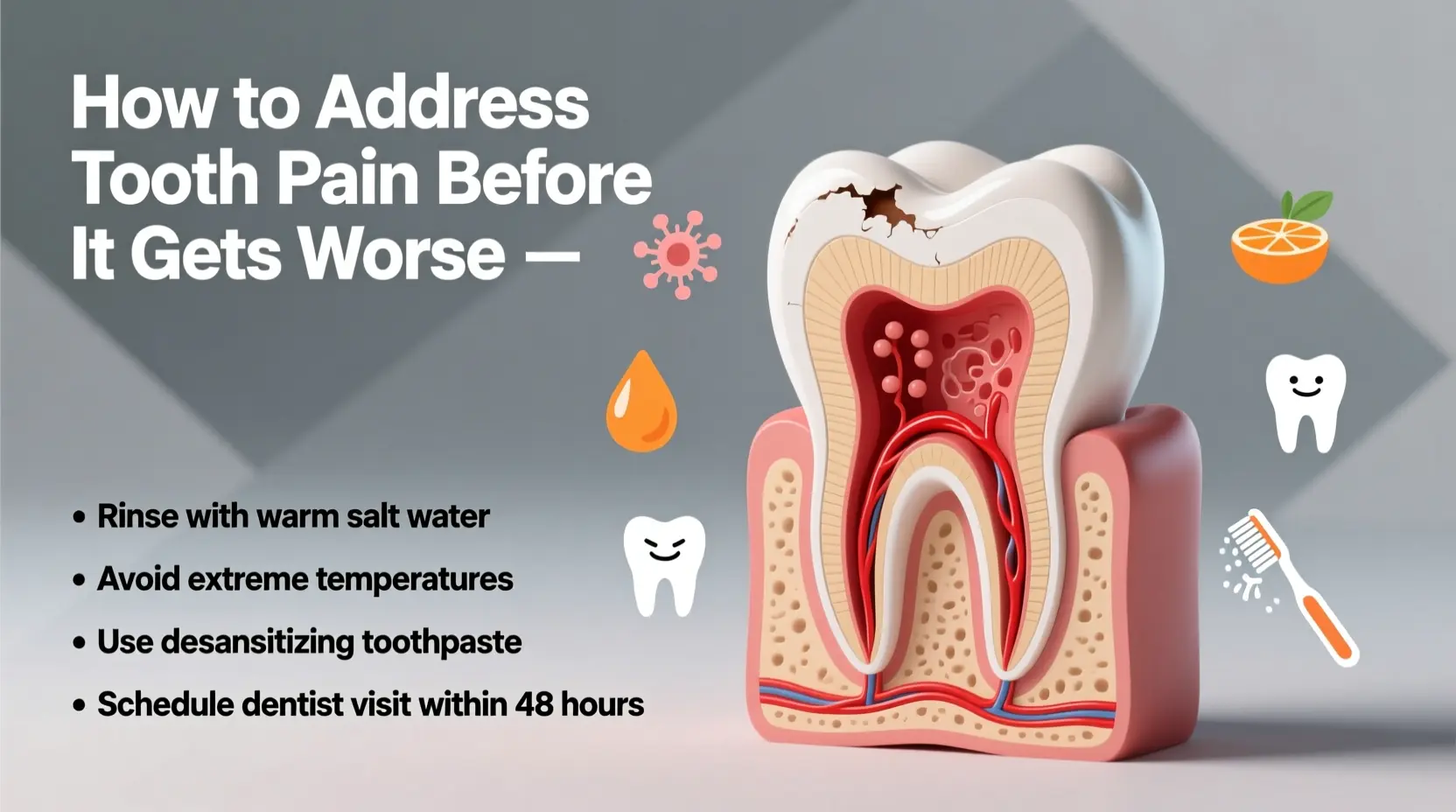
Tooth pain can be small at first, but it often becomes serious if ignored. Many people delay action, hoping the pain will go away on its own. Sadly, tooth pain usually means something is wrong. Acting early can save you from severe pain, costly treatment, and stress. This article explains how to address tooth pain before it gets worse, using simple steps and good habits. Early care can protect your smile and keep your mouth healthy.
Understanding Tooth Pain
Tooth pain is a warning sign.
It may feel like:
- Sharp pain
- Dull ache
- Sensitivity to hot or cold
Pain tells you that your tooth or gums need attention.
Common Causes of Tooth Pain
Tooth pain has many causes.
Common reasons include:
- Cavities
- Gum problems
- Cracked or chipped teeth
- Teeth grinding
Knowing the cause helps you take the right action.
Do Not Ignore Early Pain
Mild pain often gets worse.
Ignoring tooth pain can lead to:
- Infection
- Swelling
- Severe discomfort
Early care prevents bigger problems later.
Rinse Your Mouth Gently
Rinsing helps clean the mouth.
Use:
- Warm water
- Gentle salt water
This can remove food particles and reduce irritation.
Keep the Area Clean
Good hygiene is very important.
Clean your teeth by:
- Brushing gently
- Flossing carefully
Avoid brushing too hard, as it can hurt sensitive teeth.
Avoid Very Hot or Cold Foods
Temperature can increase pain.
Until the pain improves:
- Avoid ice-cold drinks
- Avoid very hot foods
Choose lukewarm meals instead.
Stay Away from Sugary Foods
Sugar feeds bacteria.
Sugary foods can:
- Worsen cavities
- Increase pain
Limit sweets and sugary drinks during tooth pain.
Check for Food Stuck Between Teeth
Food stuck between teeth can cause pain.
Use:
- Dental floss
- Gentle cleaning
Never use sharp objects, as they can harm gums.
Use a Soft Toothbrush
Hard brushing can damage teeth.
A soft toothbrush:
- Protects enamel
- Reduces gum irritation
Gentle brushing keeps teeth clean without pain.
Pay Attention to Gum Health
Gum problems often cause tooth pain.
Signs include:
- Redness
- Swelling
- Bleeding
Healthy gums support strong teeth.
Avoid Chewing on the Painful Side
Chewing on the sore side can increase pain.
Try:
- Chewing on the opposite side
- Eating soft foods
This reduces pressure on the affected tooth.
Watch for Swelling or Fever
Swelling is a serious sign.
If you notice:
- Face swelling
- Fever
- Bad taste in mouth
Seek help quickly, as this may signal infection.
Teeth Sensitivity Needs Care
Sensitivity may cause pain with hot or cold food.
It can happen due to:
- Worn enamel
- Gum recession
Gentle care helps reduce discomfort.
Teeth Grinding Can Cause Pain
Grinding wears down teeth.
It may cause:
- Jaw pain
- Headaches
- Tooth sensitivity
Stress control and dental support help manage grinding.
Chipped or Cracked Teeth Need Attention
Even small cracks matter.
They can:
- Let bacteria inside
- Cause pain
Early repair protects the tooth.
Temporary Relief Is Not a Cure
Home care can help for a short time.
But:
- Pain relief is not a solution
- The cause must be treated
Professional care is important.
Schedule a Dental Visit Early
Seeing a dentist early makes treatment easier.
Early visits:
- Prevent infection
- Reduce pain
- Save time and cost
Do not wait until pain becomes severe.
Explain Your Symptoms Clearly
Clear communication helps diagnosis.
Tell the dentist:
- When pain started
- What makes it worse
- Where it hurts
Details help find the problem quickly.
Follow Professional Advice
After treatment, follow instructions carefully.
This may include:
- Cleaning routines
- Temporary food changes
Following advice helps faster healing.
Maintain Daily Oral Care
Daily care prevents pain.
Good habits include:
- Brushing twice daily
- Flossing once a day
Consistency keeps teeth strong.
Drink Plenty of Water
Water helps clean the mouth.
It:
- Washes away food
- Keeps mouth moist
Dry mouth can worsen tooth pain.
Avoid Smoking and Tobacco
Smoking harms oral health.
It can:
- Slow healing
- Increase gum problems
Avoiding tobacco protects teeth and gums.
Eat Tooth-Friendly Foods
Healthy foods support teeth.
Choose:
- Fruits
- Vegetables
- Soft foods when in pain
Balanced eating supports healing.
Teach Good Habits Early
Children should learn early care.
Teaching:
- Proper brushing
- Regular checkups
Builds strong dental habits for life.
Regular Checkups Prevent Pain
Routine visits help spot issues early.
Checkups:
- Catch small problems
- Prevent pain
Prevention is always easier than treatment.
Tooth Pain Affects Daily Life
Pain can:
- Disrupt sleep
- Affect eating
- Reduce focus
Early care improves comfort and mood.
Listen to Your Body
Pain is a signal.
Listening early:
- Protects your teeth
- Saves discomfort
Your body knows when something is wrong.
Small Actions Make a Big Difference
Simple steps can stop pain from growing.
Early care:
- Saves teeth
- Protects health
Small actions today prevent big problems tomorrow.
Conclusion
Knowing how to address tooth pain before it gets worse can protect your smile and your comfort. Tooth pain is a warning sign that should never be ignored. Gentle cleaning, avoiding triggers, and seeking early dental care can prevent serious issues. Daily oral habits and regular checkups keep teeth healthy and pain-free. Acting early saves time, stress, and discomfort, helping you maintain a healthy and confident smile.