
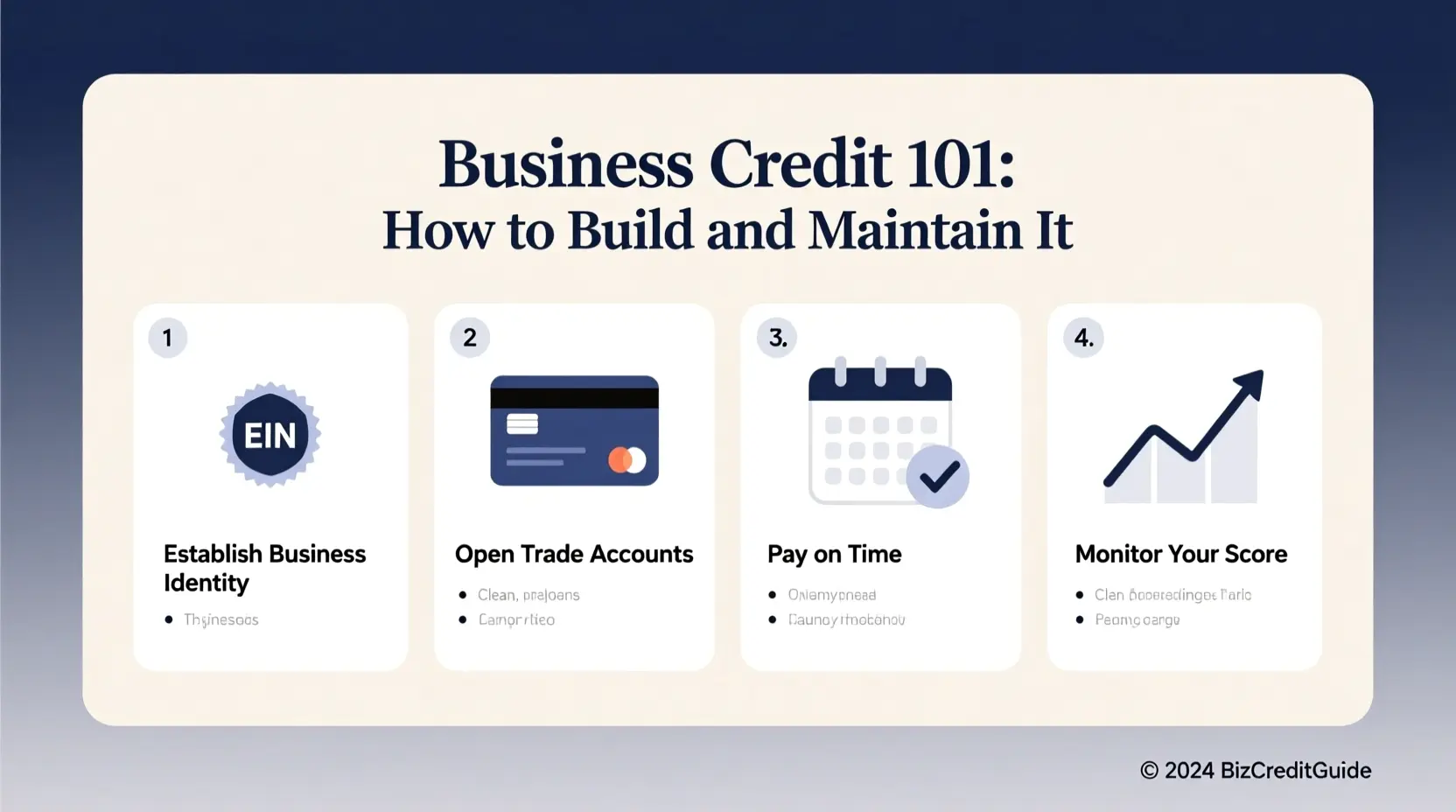
Business credit is very important for any company, big or small. It helps businesses borrow money, buy supplies, and grow without using personal funds. Many new business owners do not fully understand business credit or how it works. Building and maintaining good business credit takes time, but it is not difficult if done the right way. This article explains business credit in simple terms and shows how to build and maintain it step by step.
What Is Business Credit
Business credit shows how trustworthy your business is when it comes to money.
It is based on:
- How you pay bills
- How much you borrow
- How responsibly you manage credit
Good business credit tells lenders and suppliers that your business is reliable.
Why Business Credit Is Important
Business credit helps your company in many ways.
It can help you:
- Get loans more easily
- Receive better payment terms
- Separate personal and business finances
Strong business credit supports long-term growth and stability.
Business Credit vs Personal Credit
Business credit is different from personal credit.
Key differences include:
- It is linked to your business, not you
- It does not always affect personal credit
- It builds the company’s financial identity
Keeping them separate protects your personal finances.
Register Your Business Properly
The first step is setting up your business correctly.
Make sure to:
- Choose a legal business structure
- Register your business name
- Get required licenses
A properly registered business is taken more seriously.
Get a Business Identification Number
A business identification number helps identify your business.
This number is used to:
- Open business accounts
- File taxes
- Build business credit
It helps separate business activity from personal activity.
Open a Business Bank Account
A business bank account is very important.
It helps:
- Track income and expenses
- Show financial responsibility
- Support credit building
Never mix personal and business money.
Apply for a Business Phone Number and Address
Simple details matter.
Having:
- A business phone number
- A business address
makes your business look more professional and trustworthy.
Start with Vendor Credit
Vendor credit is often the easiest way to start.
Vendors allow you to:
- Buy now
- Pay later
Paying vendors on time helps build your credit history.
Pay All Bills on Time
Payment history is very important.
Always:
- Pay on or before due dates
- Avoid late payments
On-time payments build strong and positive credit records.
Keep Credit Use Low
Using too much credit can hurt your score.
Try to:
- Use only what you need
- Avoid maxing out limits
Low credit use shows responsible money management.
Monitor Your Business Credit Regularly
Checking your credit helps you stay informed.
Regular monitoring allows you to:
- Spot errors
- Track progress
- Protect against fraud
Early action prevents bigger problems.
Build Credit Slowly and Consistently
Building credit takes time.
Do not rush by:
- Applying for too much credit
- Taking unnecessary loans
Slow and steady growth is healthier.
Use Business Credit Cards Wisely
Business credit cards can help when used properly.
Use them to:
- Cover business expenses
- Build payment history
Always pay balances on time to avoid debt.
Maintain Good Financial Records
Clear records support good credit.
Keep track of:
- Payments
- Invoices
- Expenses
Good records help with planning and problem-solving.
Avoid Mixing Personal and Business Finances
Mixing finances causes confusion.
Always:
- Use business accounts for business expenses
- Use personal accounts for personal needs
Clear separation protects both credit profiles.
Pay More Than the Minimum When Possible
Paying more helps reduce debt faster.
It shows:
- Strong cash management
- Financial responsibility
This improves your credit over time.
Build Relationships with Lenders
Strong relationships matter.
Good communication:
- Builds trust
- Opens more opportunities
Lenders prefer businesses they know and trust.
Limit Credit Applications
Too many applications can hurt your credit.
Only apply when:
- You truly need credit
- You can manage repayments
Careful choices protect your credit score.
Correct Errors Quickly
Mistakes can happen on credit reports.
If you see errors:
- Report them quickly
- Provide correct information
Fixing errors helps maintain accuracy.
Plan for Long-Term Credit Health
Think ahead.
Good planning includes:
- Budgeting
- Saving
- Managing debt wisely
Long-term thinking supports strong credit.
Educate Yourself About Credit
Understanding credit helps you manage it better.
Learn about:
- Credit terms
- Interest rates
- Payment rules
Knowledge prevents costly mistakes.
Use Credit to Support Growth
Credit should support growth, not cause stress.
Use it to:
- Invest in equipment
- Manage cash flow
- Expand operations
Smart use leads to success.
Review Credit Terms Carefully
Always read terms before accepting credit.
Understand:
- Interest rates
- Payment schedules
- Fees
Clear understanding avoids surprises.
Stay Consistent Over Time
Consistency is key.
Good habits include:
- Paying on time
- Monitoring credit
- Managing expenses
Consistency builds strong business credit.
Conclusion
Business credit is a powerful tool that helps companies grow and succeed. By registering your business properly, paying bills on time, using credit wisely, and keeping finances organized, you can build and maintain strong business credit. It takes time and discipline, but the rewards are worth it. With good business credit, your company gains trust, flexibility, and financial strength for the future.