
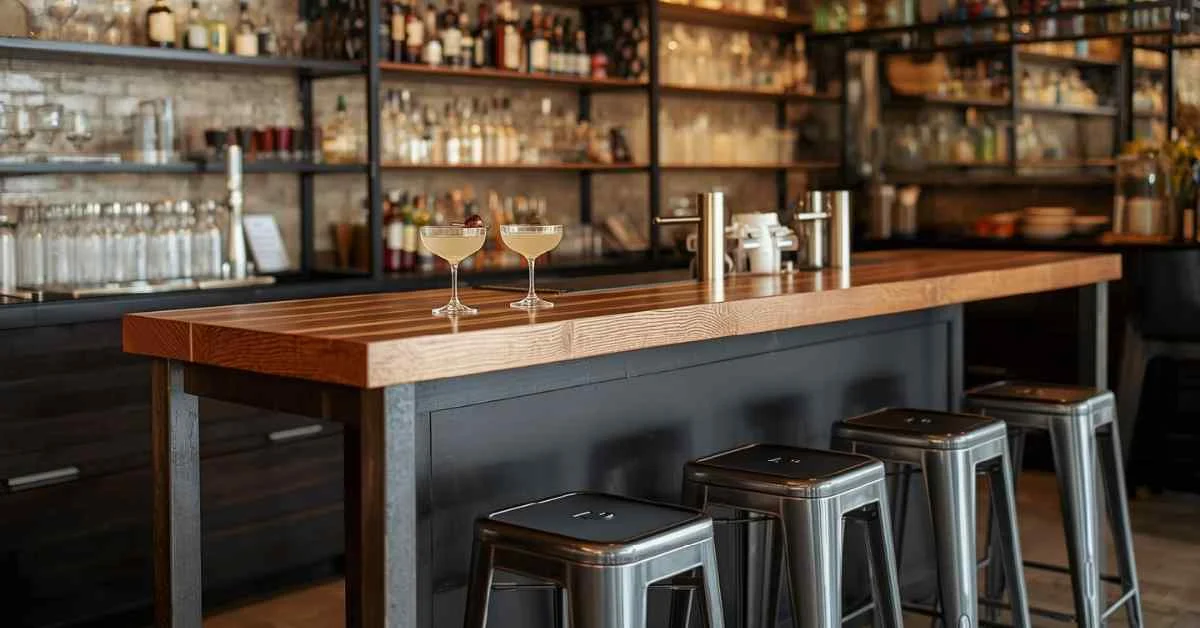
When it comes to creating the perfect bar area at home or in a commercial space, choosing the right table is essential. A bar height table is more than just a piece of furniture—it’s a functional centerpiece that defines the style, comfort, and usability of your space.
Unlike regular dining tables, bar tables are taller, designed to pair seamlessly with bar stools, and can instantly elevate the look of any room.
If you’re planning a cozy home bar, a sleek kitchen island, or a bustling commercial pub, understanding standard bar height, dimensions, and style options is key to making the right choice.
In this guide, we’ll explore everything you need to know about bar height tables—from dimensions and materials to styling tips and accessories—so you can select a table that fits your space perfectly, enhances comfort, and complements your decor effortlessly.
What is a Bar Height Table?
A bar height table is a tall table typically designed to be paired with bar stools, offering a higher seating experience than standard dining tables. While a regular dining table usually sits at around 28–30 inches, a bar height table typically ranges between 40 to 42 inches tall. This height creates a casual, social seating arrangement perfect for entertaining, enjoying drinks, or having quick meals.
Bar height tables are commonly found in home bars, kitchens, restaurants, and pubs, making them versatile for both residential and commercial use. They are not only functional but also add a stylish and modern touch to any space.
It’s important to understand the difference between bar height, counter height, and pub tables:
- Counter height tables: 34–36 inches, ideal for kitchen islands or casual seating.
- Pub tables: 36–38 inches, perfect for smaller spaces or casual dining.
- Bar tables: 40–42 inches, designed for social areas and taller seating.
Choosing the right height ensures comfort and usability. Pairing a bar height table with the correct stool height allows for proper legroom and posture, making your bar experience enjoyable.
Standard Bar Table Dimensions
When choosing a bar height table, understanding the standard dimensions is essential for comfort and functionality. Most bar height tables range between 40–42 inches in height, making them taller than counter or pub tables and perfect for pairing with 28–30 inch bar stools.
The width and length of bar tables vary depending on the shape and intended use. Rectangular bar tables commonly range from 24 to 30 inches wide and 36 to 72 inches long, offering seating for multiple people. Round bar tables typically have a diameter of 30–48 inches, perfect for smaller spaces or casual gatherings. Square bar tables are usually 30–36 inches per side, fitting nicely in corners or intimate spaces.
Proper spacing around a bar table is critical. Leave at least 24–30 inches of clearance around the table for stools and easy movement. Adjustable bar tables are also available, allowing users to switch between bar height and counter height for versatile use in kitchens, multipurpose rooms, or commercial areas.
By understanding these dimensions, you can ensure that your bar height table is comfortable, stylish, and practical for any setting.
Types of Bar Height Tables
Choosing the right bar height table involves more than just height—it’s about shape, material, and functionality.
Shape
- Rectangular: Ideal for larger gatherings and home or commercial bars.
- Round: Creates intimacy and works well in smaller spaces.
- Square: Compact and versatile for corners or tight areas.
By Material
- Wood: Classic, rustic, and durable.
- Metal: Sleek, industrial, and easy to clean.
- Glass: Modern and contemporary, visually lighter.
- Stone/Marble: Luxury, durable, and bold.
By Functionality
- Adjustable-height tables: Switch between bar and counter height.
- Foldable or space-saving tables: Perfect for small apartments or flexible commercial spaces.
- Outdoor tables: Weather-resistant for patios or terraces.
Understanding these types ensures that your bar table fits both your functional needs and style preferences.
Choosing the Right Bar Height Table for Your Space
Selecting the perfect table requires careful consideration of space, purpose, and style.
Home Bar Considerations
Measure your space and leave at least 24–30 inches of clearance for movement. Consider ceiling height to avoid a cramped feeling. Match the table material to your decor—wood for warmth, glass for sleek modern looks, or metal for an industrial vibe.
Commercial Bar Considerations
Ensure tables are sturdy, durable, and easy to clean. Proper spacing helps smooth customer traffic. Adjustable tables offer flexibility for multipurpose areas, and ergonomic bar stools improve comfort.
Tips for Measuring Your Space
- Leave 10–12 inches between stool seat and tabletop.
- Ensure adequate clearance for walking around the table.
- Consider multipurpose use to maximize your space.
By evaluating these factors, you can choose a bar height table that is both functional and visually appealing.
Design, Style & Decor Ideas
A bar height table can be a centerpiece in any space.
Modern & Minimalistic
Sleek metal or glass surfaces paired with contemporary stools create a clean, elegant look suitable for apartments or modern kitchens.
Rustic & Industrial
Natural wood and metal frames add warmth and character, perfect for cozy home bars or trendy commercial spaces.
Luxury & Custom Designs
Marble or stone tables exude sophistication. Pair with leather or cushioned stools for an upscale home or lounge feel.
Decorating Your Bar Area
Enhance with footrests, lighting, bar racks, and decorative accents. Coordinating colors and materials between the table and surrounding space ties the look together.
Bar Table Accessories & Enhancements
The right accessories enhance both functionality and style.
- Bar Stools: Choose stools that match the table height, provide comfort, and complement the style.
- Footrests & Protective Pads: Improve comfort and protect floors.
- Storage & Functional Add-ons: Built-in shelves or racks hold glasses, bottles, or essentials.
- Decorative Enhancements: Pendant lights, coasters, and plants elevate the space aesthetically.
Proper accessories transform a simple bar table into a comfortable, stylish, and inviting centerpiece.
FAQs About Bar Height Tables
1. What is the standard height for a bar table?
Typically 40–42 inches, paired with 28–30 inch stools.
2. Can bar tables be used for dining?
Yes, especially for casual or smaller spaces.
3. How do I choose the right stool height?
Leave 10–12 inches between stool seat and tabletop.
4. Are bar tables comfortable for long periods?
With back support and footrests, yes.
5. Bar vs counter vs pub tables?
- Bar: 40–42 inches
- Counter: 34–36 inches
- Pub: 36–38 inches
6. Can bar tables be used outdoors?
Yes, with weather-resistant materials like metal or treated wood.
Conclusion
A bar height table is more than just furniture—it’s a stylish, functional centerpiece. Understanding standard height, dimensions, materials, and accessories ensures comfort and aesthetic appeal. Rectangular, round, or square tables fit different spaces, while wood, metal, glass, or marble materials cater to various styles. Pairing the right stools, footrests, and accessories transforms your table into a social hub for home or commercial use.
By carefully choosing the right bar height table, you create a space that balances style, comfort, and functionality, making it a central spot for entertaining, dining, and memorable moments.